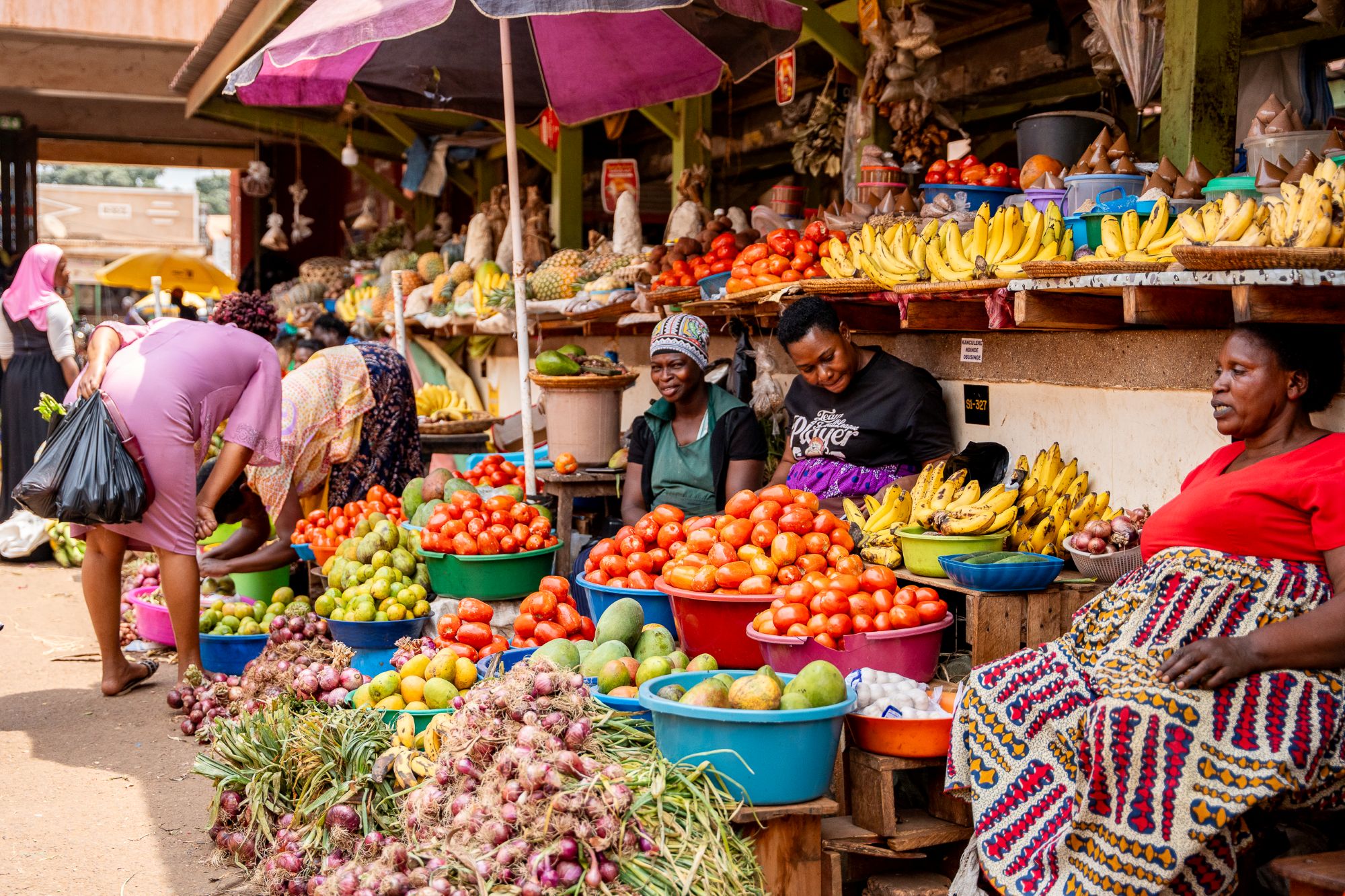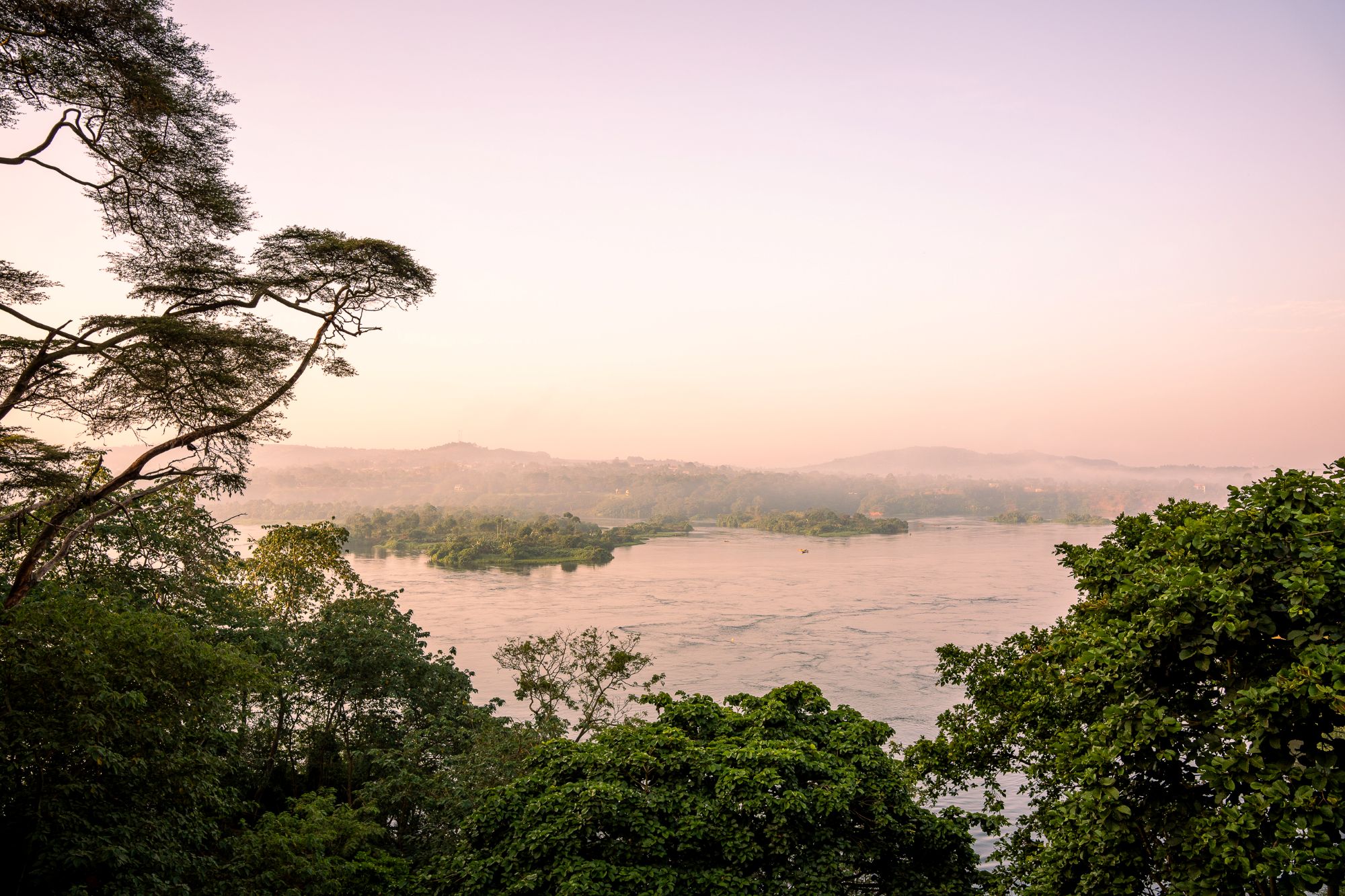
Imagine the deep, misty green of the rainforest, met by the eyes of a silverback gorilla, or the reddish-brown earth along the banks of the majestic Nile. Imagine colorful markets with fresh fruits and vegetables, alongside savannas teeming with elephants and lions. This is Uganda, the Pearl of Africa.
Precisely because Uganda is so special, visitors deserve to be mindful of their impact. Responsible travel goes beyond simply reducing your ecological footprint; it’s also about respecting culture, supporting local communities, and contributing to nature conservation. Below, you’ll find practical and inspiring tips to ensure your trip makes a positive impact.
Do you want to travel responsibly in Uganda?
- Local & Direct: Support the Ugandan economy by choosing local guides, markets, and businesses.
- Cultural Respect: Connect by traveling with an open mind, asking permission, and donating wisely.
- Impact Partners: Your trip supports projects for education, community development, and sustainable water management.
- Nature First: Stay on the trails, avoid plastic, and never leave trash in parks or rural areas.
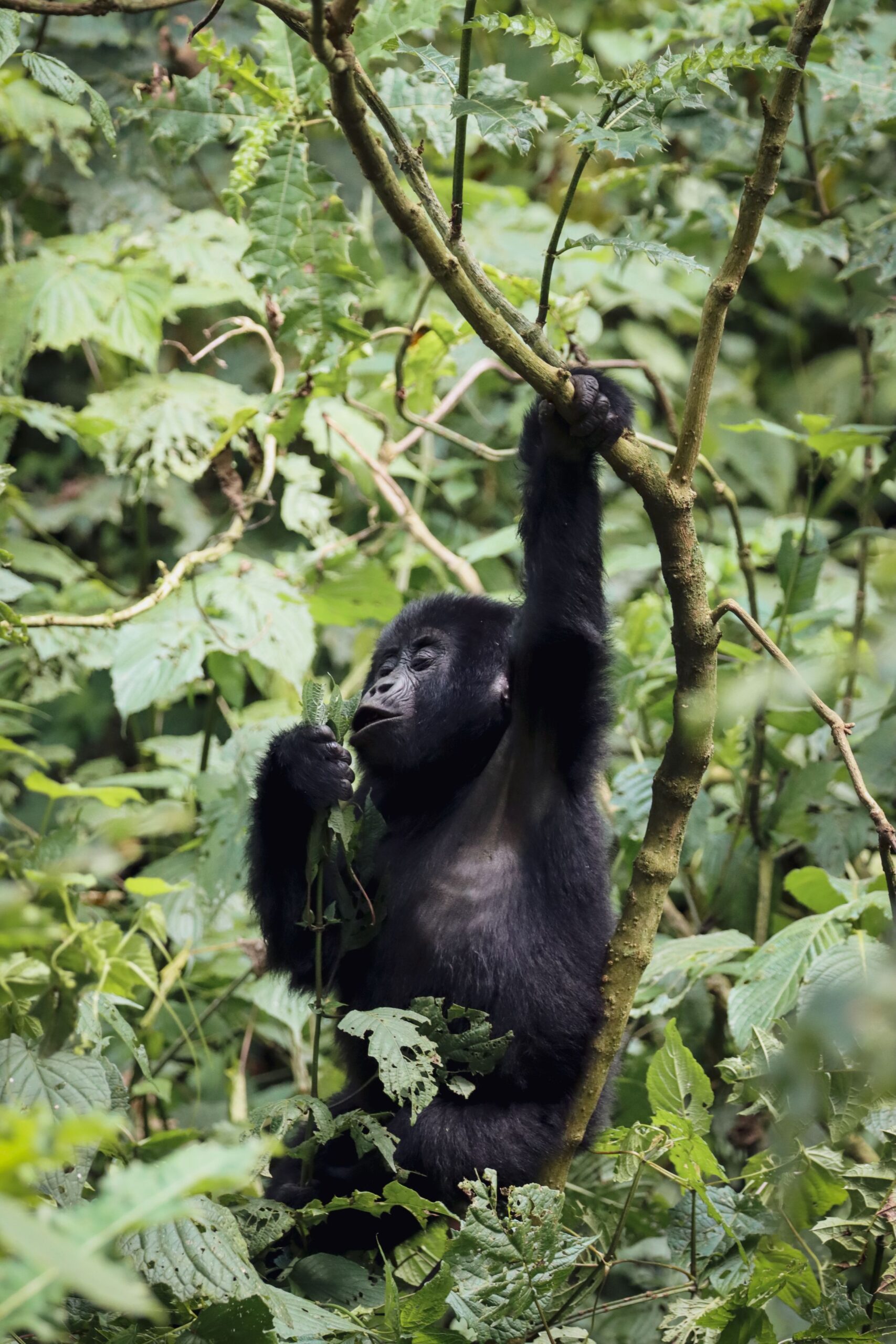
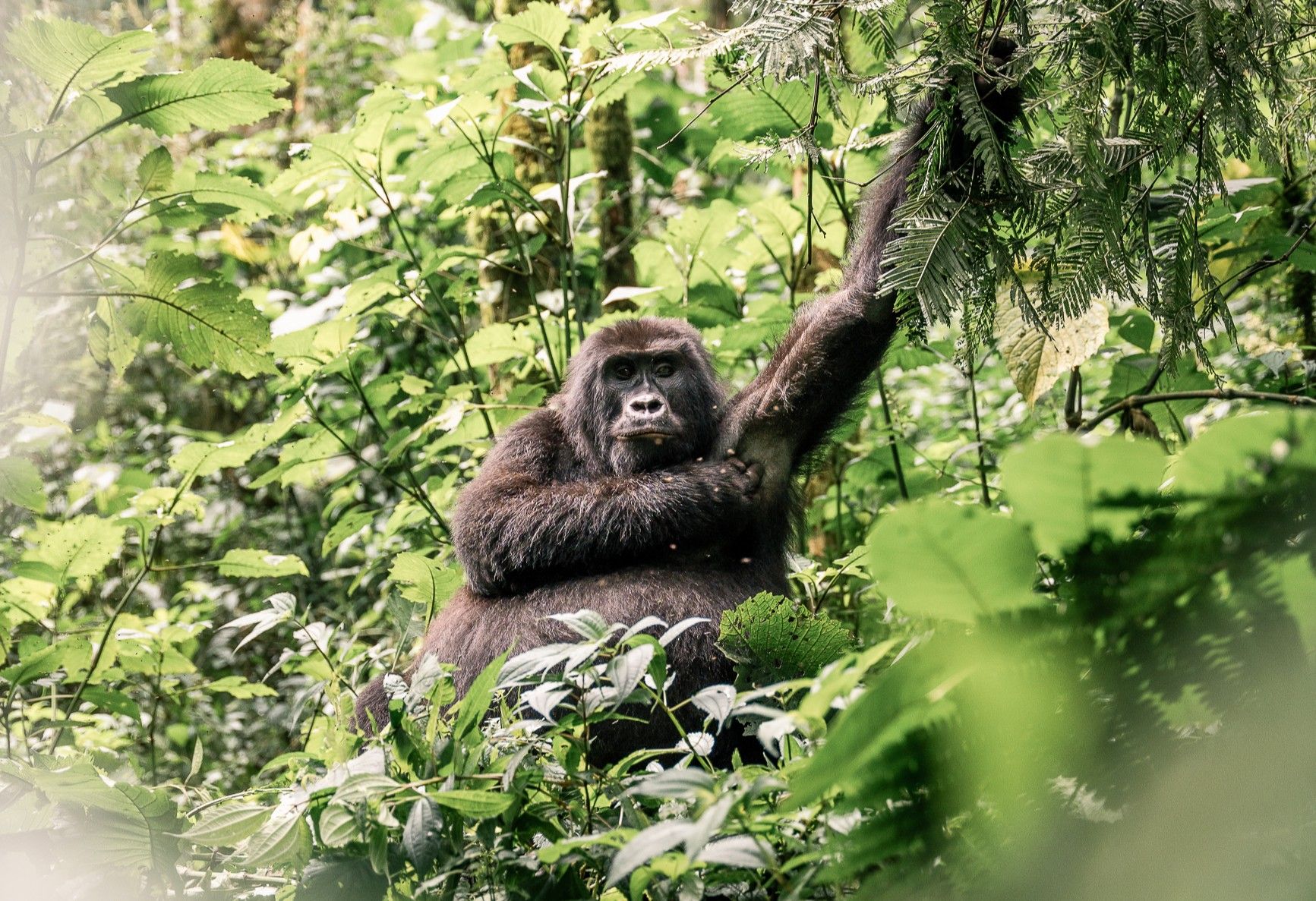
- Gorilla Trekking: Your permit and behavior protect the mountain gorillas for the future.
Read on for all the details about how your trip makes a positive impact!
Sustainable tourism and local culture in Uganda
Support the local economy: Buy local in Uganda
When you travel through Uganda, you’re more than a visitor; you’re a guest in the daily lives of Ugandans. The warmth and resilience of the local people are perhaps the country’s greatest treasure. It’s up to us to ensure that our presence doesn’t harm their quality of life, and preferably, improves it.
In the context of “giving back,” it’s not always about donating; sometimes the most powerful gift is simply making a conscious choice about where you spend your money. So choose local:
-
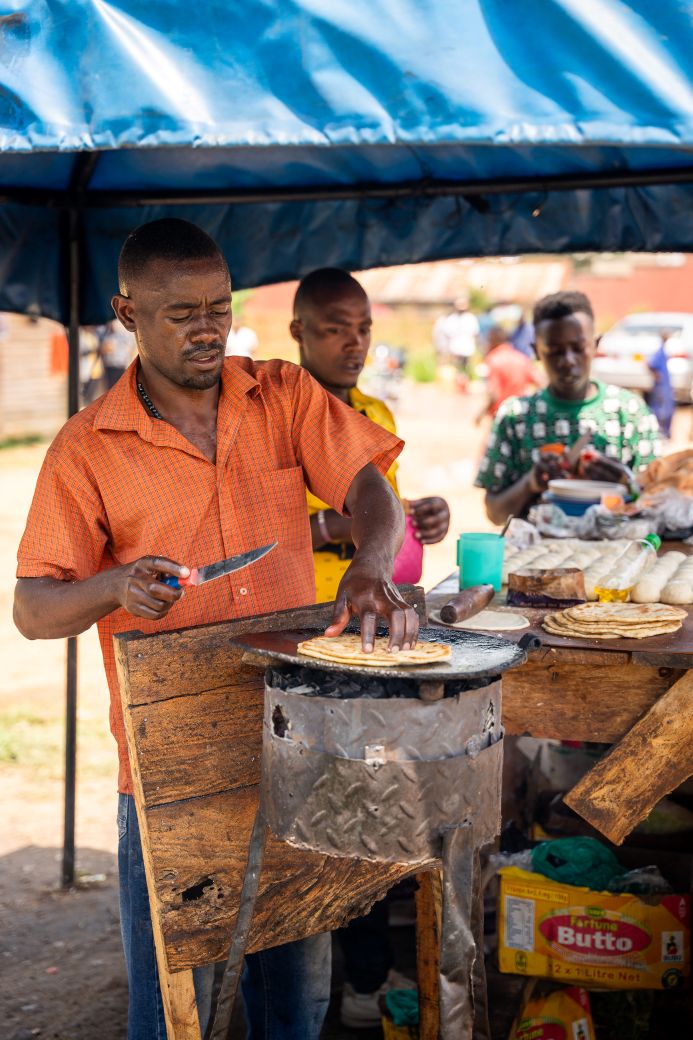
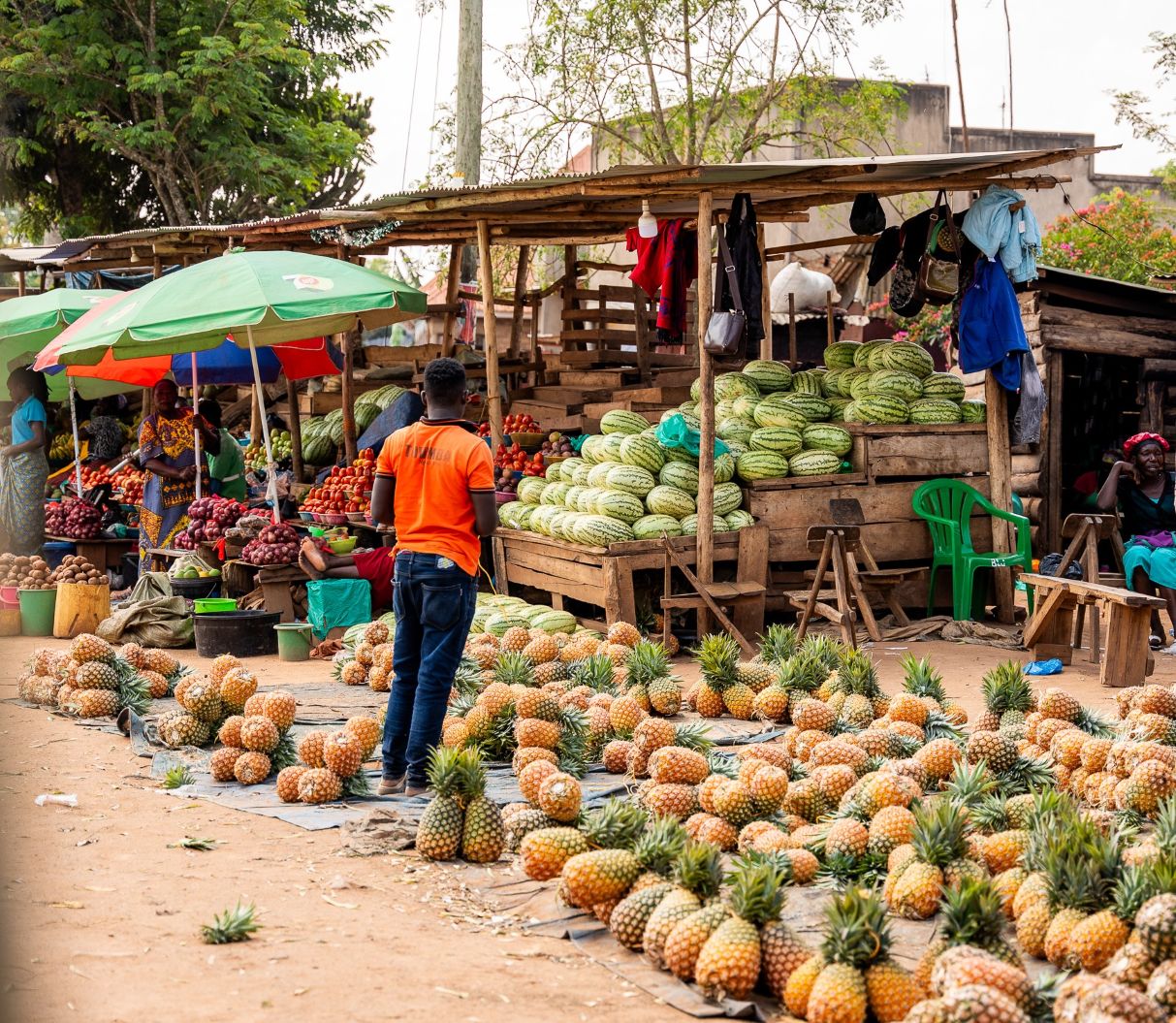
- Buy local: Choose small, local eateries run by Ugandans. Buy fruits and vegetables from the local market or enjoy a delicious Rolex (a local egg snack). Buy your souvenirs directly from the makers or through cooperatives to avoid the middleman. Bargain respectfully and with a smile.
- Local guides: Hire local guides for hikes, safaris, or cultural tours. They know the country, its wildlife, and its stories like no other. This is a direct way to provide them with employment and support local expertise.
Partnership in practice: our impact
The intention to contribute is important, but finding reliable projects can be challenging. That’s why Uganda Nomads chooses to work closely with local partners who make a difference:
- Tukulu Eco Village: A local initiative that focuses on the community, supports the local school, and promotes cultural exchange. You’ll learn more about this during your trip.
- Rushaga Community School: By partnering with the school in Rushaga, we contribute to the availability and quality of education for children in local communities.
- Join for Water: Water is the source of all life in Uganda. We support Join for Water in their mission for sustainable water management. Together, we ensure that ecosystems surrounding water sources are protected and that local communities have access to clean and safe water, now and in the future.
By choosing Uganda Nomads, you automatically contribute to these initiatives and support a sustainable, local approach. More information can also be found on our impact page.
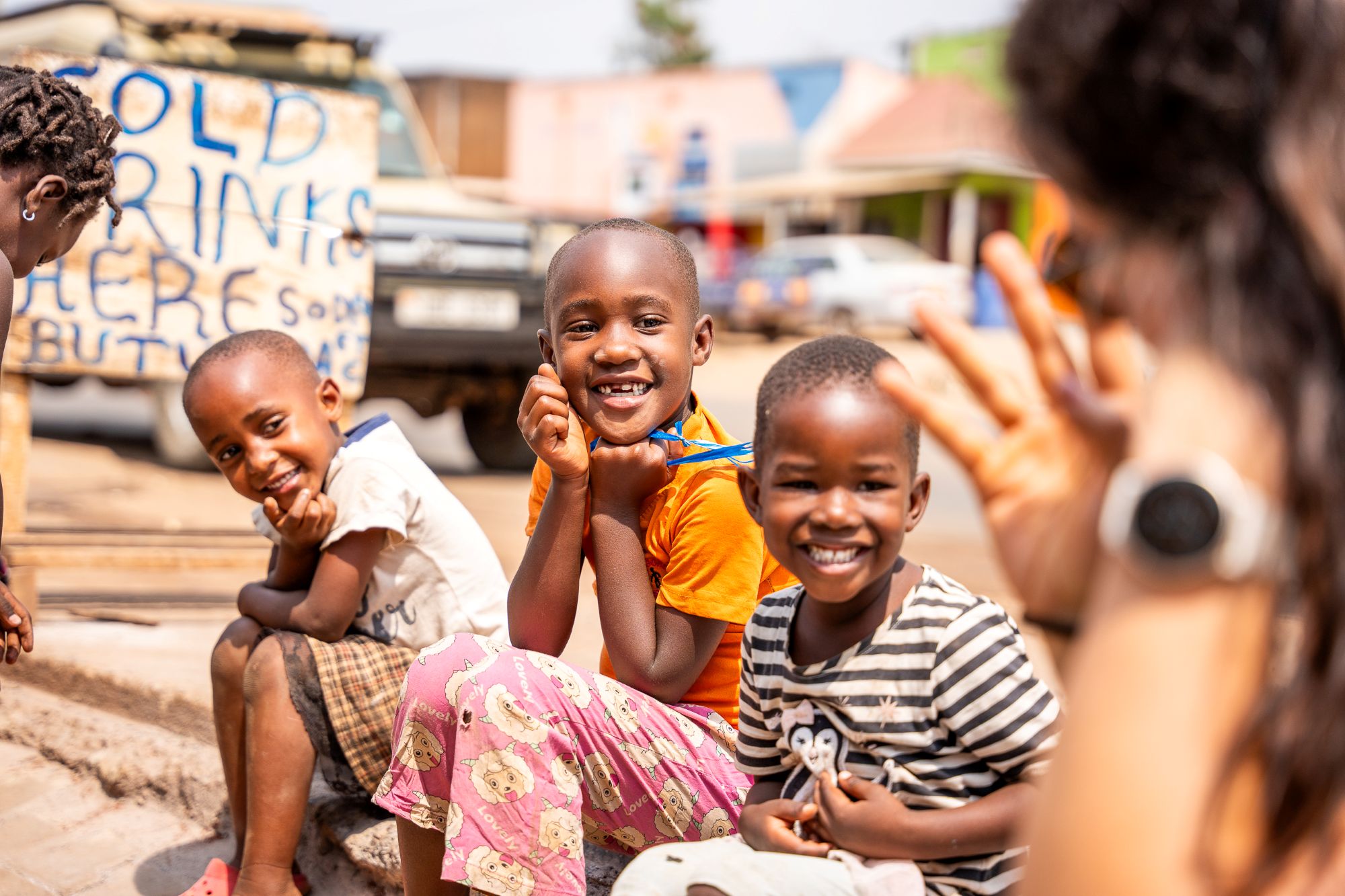
Cultural respect: The key to connection
Making a positive impression goes beyond money: it’s also about human interaction and respect for another culture. Here are some tips:
- Ask permission: Always ask permission before taking a photo of a person or a village. It often opens the door to a friendly conversation.
- Dress modestly when visiting villages or religious communities. Leave expensive jewelry at home; this prevents creating an unnecessary divide.
- Behavior: Travel with an open mind, ask questions, and show interest. This creates connection!
- Be careful when giving money or candy to children. This perpetuates begging and creates dependency. Once children discover that they can earn (or receive) money (and food) by approaching tourists, this becomes a more attractive alternative than going to school.
If you would like to contribute, please donate to accredited local schools, clinics, or other initiatives.
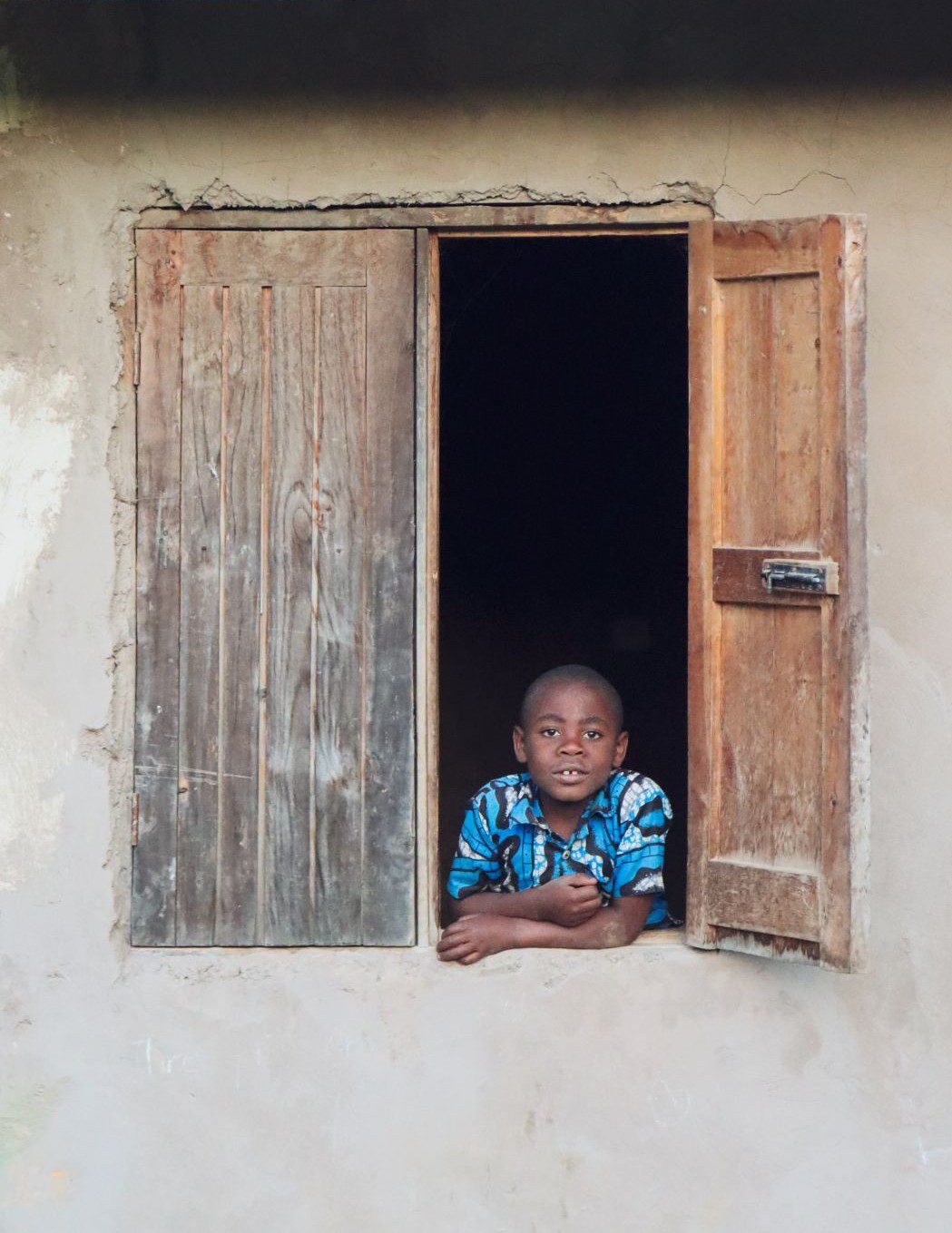
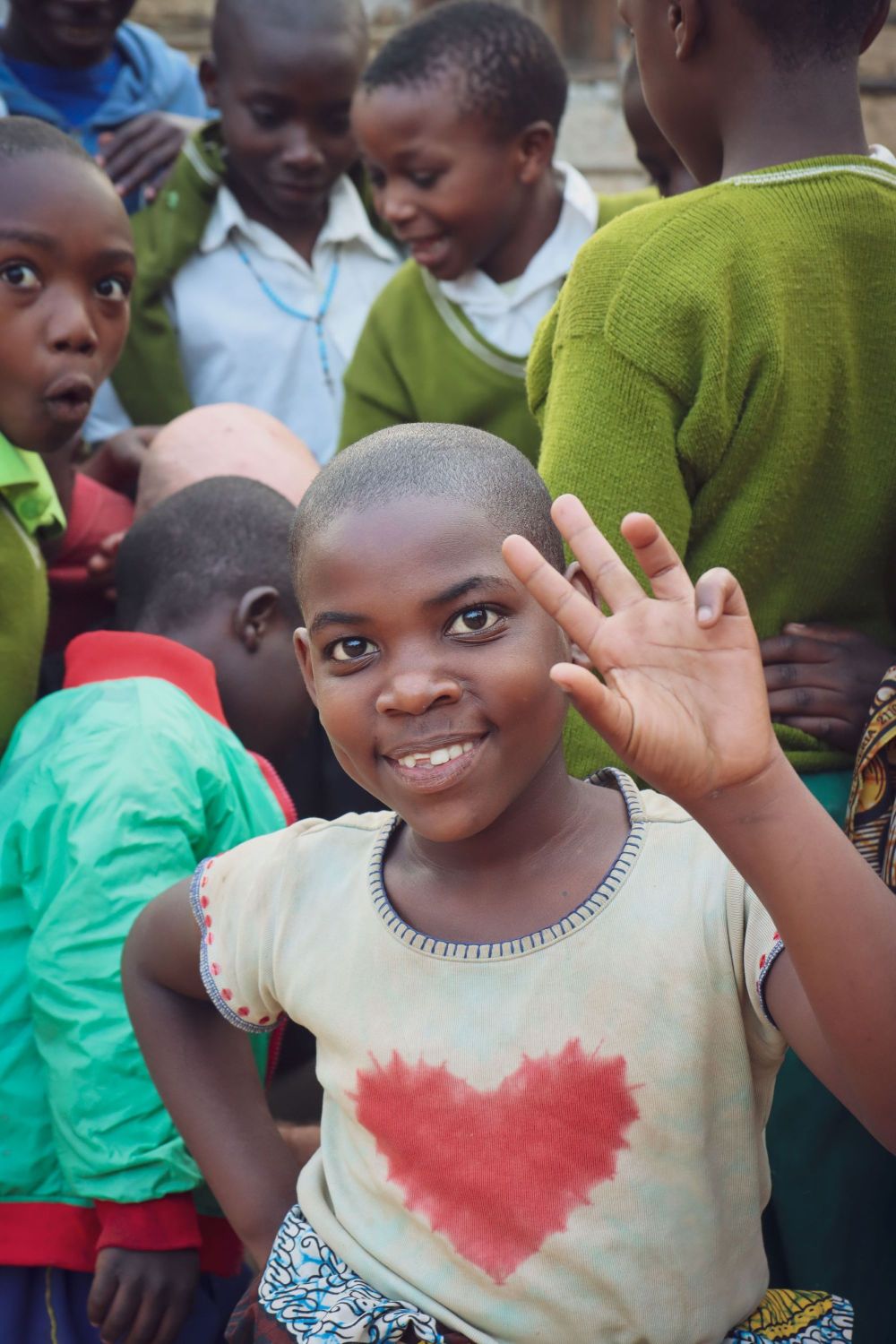
Nature conservation and wildlife in Uganda
Small steps, big impact
Responsible travel means protecting nature so it can continue to flourish for future generations. With a few simple choices, you can make a significant contribution:
- Waste: Take everything you bring with you. Don’t leave any trash in parks or villages.
- Plastic: Due to limited recycling facilities, using reusable bottles and bags is essential.
- Respect for nature and rules: Always follow rangers’ instructions, stay on designated trails, and maintain a safe distance from animals.
These guidelines help prevent animal stress, protect fragile ecosystems, and ensure your presence doesn’t leave a negative mark. Moreover, revenue from park tickets goes directly back to conservation and national park protection.
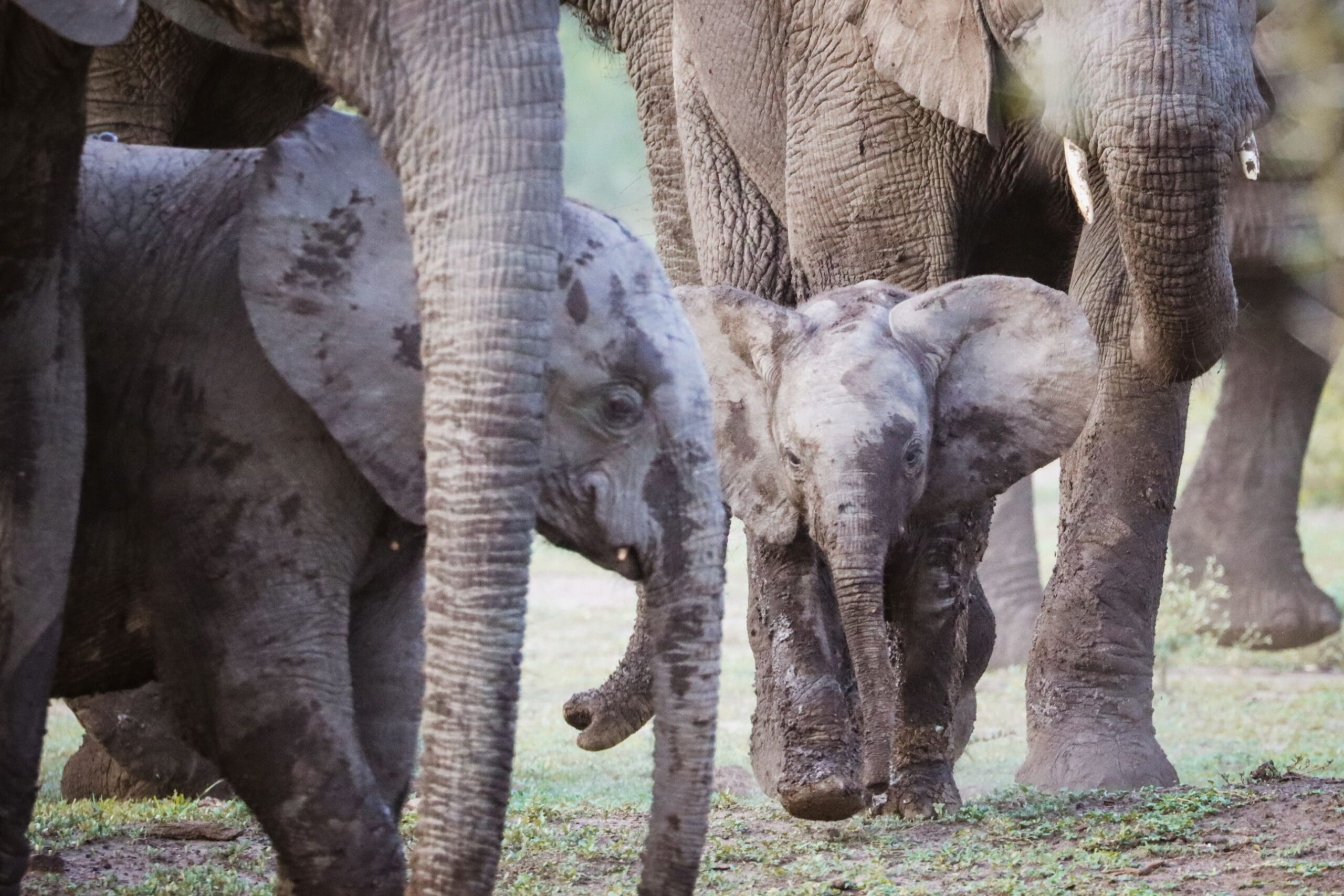
Sustainable gorilla trekking: tips and rules
Gorilla trekking is a unique and impressive experience. The permit you need is an important part of the conservation of these endangered animals: the income supports anti-poaching efforts, research, habitat protection, and local communities around the parks.
Your behavior is crucial. Keep your distance, speak softly, wear your mask, and never touch the animals. This prevents disease transmission and disrupts their natural behavior.In this way you help ensure that future generations of travelers and gorillas can experience the same magical encounter. Read more about gorilla trekking here.
Discover the Pearl of Africa with respect for people and nature.
Are you curious about Uganda and want to not only have an unforgettable trip but also give back to the people, the environment, and the future of this beautiful country? With Uganda Nomads, you’ll travel with respect, contribute directly to local projects, and experience Uganda in a way that truly makes an impact for you and the communities you meet along the way. Book your trip with Uganda Nomads now and start making an impact right away.